When We Dismiss “AI‑Sounding” Writing, We Might Be Closing the Door on Voices We Haven’t Heard Yet
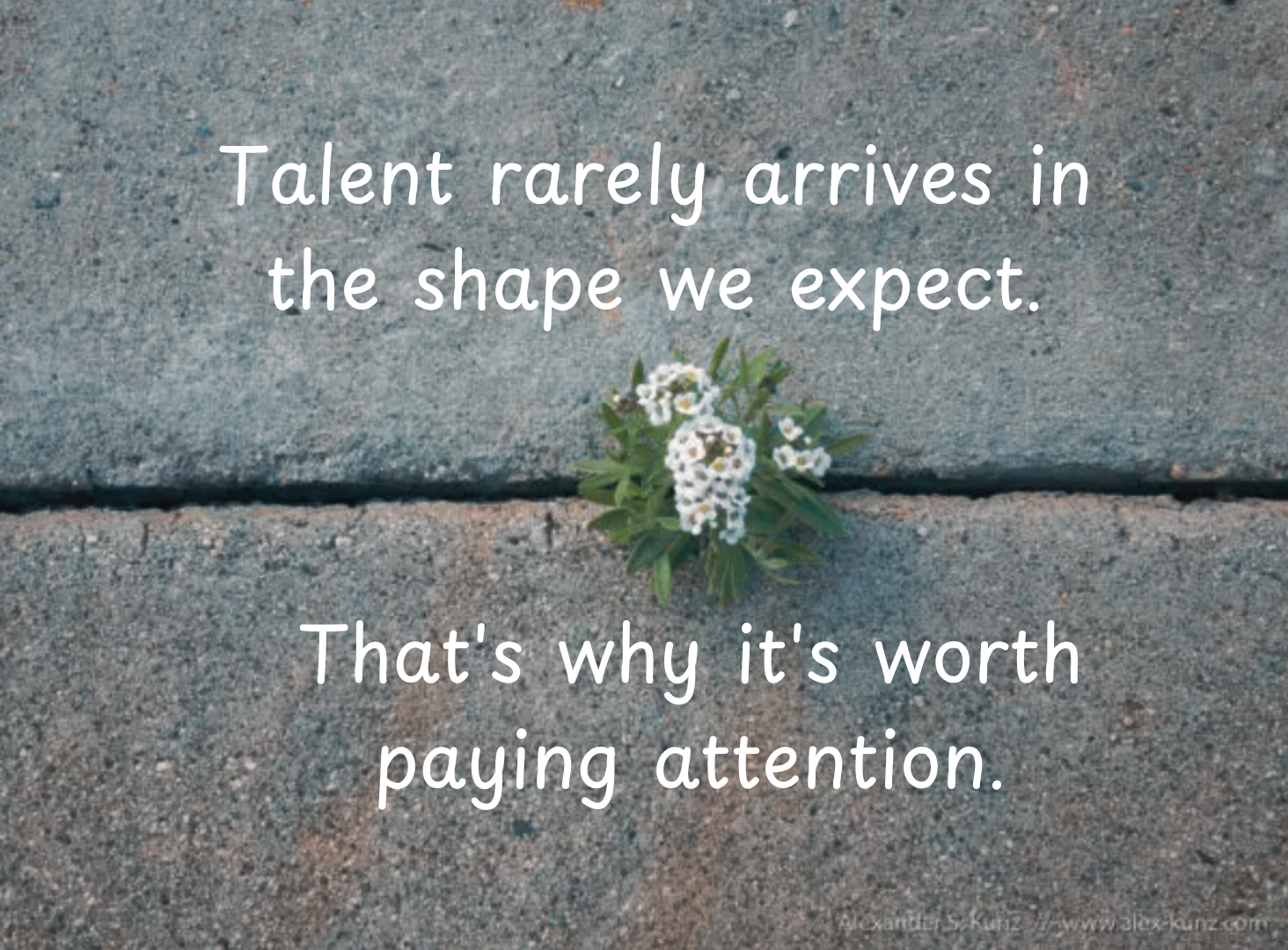
A familiar pattern is emerging online. A reader senses a certain cadence — a smoothness, a recognizable structure — and they close the tab. Not because the idea lacks merit, but because the writing carries the faint signature of AI.
It’s a small gesture, almost automatic. But it reveals something larger about how we respond to new creative tools.
We’ve been here before.
Every medium has its “recognizable phase” — and its gatekeeping phase
Photography went through it. When digital cameras and later Instagram broadened access, many dismissed the early outputs as too filtered, too easy, too uniform. But what looked like sameness was simply the early stage of a tool becoming widely available.
AI writing is in that same moment now.
The pattern people detect isn’t a flaw. It’s the signature of a medium in transition — a medium that has suddenly opened its doors to people who were never trained to write in the ways the internet historically rewarded.
Not everyone who thinks clearly writes clearly — and that has always limited who gets heard
Some people grow up in environments where writing isn’t emphasized. Some speak multiple languages but write in none of them with confidence. Some have sharp insight but not the formal structure to express it. Some have lived experiences that could expand our understanding — if only they had a way to articulate them.
AI doesn’t replace their voice. It gives it a container. A shape. A chance.
When we reject writing because it “sounds like AI,” we may be rejecting the very perspectives we claim to want more of.
AI patterns aren’t evidence of laziness. They’re evidence of access.
A recognizable pattern in AI‑assisted writing often signals something simple: someone is reaching beyond their natural skill set.
That reaching is not artificial. It’s human.
It’s the same dynamic we saw when millions of people first picked up a camera and began experimenting with composition, color, and storytelling. The early outputs shared a look — not because people lacked creativity, but because they were learning through a new tool.
Patterns emerge whenever access expands.
The real question isn’t “Was this written with AI?” but “What is being expressed here?”
A reflective reader doesn’t stop at texture. They look for intention. For perspective. For the idea trying to take shape beneath the surface.
If we judge writing solely by its stylistic signature, we risk missing the substance inside it. And sometimes that substance comes from people who have never had the privilege of polishing their own prose.
This isn’t about changing anyone’s mind. It’s about noticing a shift.
People will continue to react as they do. Some will skip anything that feels AI‑touched. That’s their choice.
But it’s worth recognizing what gets lost in that reflex: the possibility that a new voice — one previously excluded by the demands of “good writing” — is finally able to speak.
AI writing isn’t the erosion of authorship. It’s the expansion of who gets to participate in it.
And like every medium that has broadened access before it, the early patterns are not the end of the story. They’re the beginning.